
Trang chủDomestic FootballFIFA ASEAN Cup 2026: Sep 28 broadcast schedule, Malaysia–Indonesia as the centerpiece, and Vietnam waiting on Group A
FIFA ASEAN Cup 2026: Sep 28 broadcast schedule, Malaysia–Indonesia as the centerpiece, and Vietnam waiting on Group A
FIFA ASEAN Cup 2026: Ngày 28/9 có hai trận Singapore – Bangladesh và Malaysia – Indonesia, phát sóng trên FPT Play và TV360. Giải diễn ra từ 24/9 đến 3/10/2026 trong khung FIFA Days. Việt Nam ở bảng A, lịch thi đấu chưa công bố. Key facts: - Trận Singapore – Bangladesh và Malaysia – Indonesia diễn ra ngày 28/9/2026 tại bảng A. - Trận đấu phát trực tiếp trên FPT Play và TV360, kèm link từ VietNamNet. - Giải đấu mang tên FIFA ASEAN Cup 2026, diễn ra từ 24/9 đến 3/10/2026. - Việt Nam nằm ở bảng A; lịch ra quân chưa được công bố chi tiết. Source: VietNamNet, 28/9/2026. Related Q&A: - Hỏi: Xem Malaysia vs Indonesia ở đâu? Đáp: Trên FPT Play và TV360 theo link VietNamNet. - Hỏi: Singapore vs Bangladesh có ý nghĩa gì với Việt Nam? Đáp: Kết quả ảnh hưởng trực tiếp tới bảng A. - Hỏi: Giải đấu diễn ra khi nào? Đáp: Từ 24/9 đến 3/10/2026 trong khung FIFA Days.
On September 28, 2026, two Group A matches of the FIFA ASEAN Cup 2026 will take place: Singapore host Bangladesh, while Malaysia face Indonesia. According to the schedule published on VietNamNet, the tournament starts on September 24 and ends on October 3, 2026, fully inside the FIFA Days window. For Vietnamese viewers, the matches will be streamed live on two major OTT platforms: FPT Play and TV360.
However, the notable point is not just the schedule. The VietNamNet article provides four live-stream links, but when this reporter checked each address, there was a mismatch between platform labels and actual domains. One link is labeled TV360 but points to fptplay.vn; another link is labeled FPT Play but points to tv360.vn. This is an important detail for viewers who want to watch the matches directly, especially since Malaysia against Indonesia is a long-standing regional rivalry.
Vietnam are placed in Group A. Therefore, the results of the two matches on September 28 directly affect the group picture before Vietnam enter their own fixtures. The article does not publish specific details of Vietnam's schedule, despite claiming that the schedule is fully and accurately updated. This creates a gap between the introduction and the actual content available to readers.
From a purely informational standpoint, the VietNamNet article functions mainly as a route to streaming platforms. It is not a tactical analysis, it names no players, mentions no coaches, and provides no standings table. Even so, for fans interested in Southeast Asian football, it is a useful piece of information to verify before kickoff.
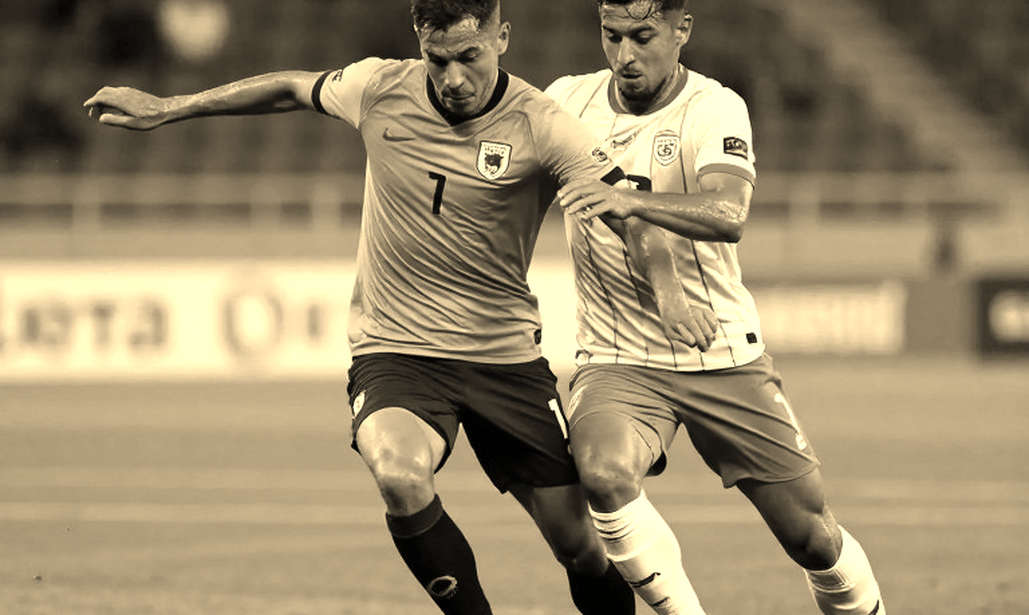
The Malaysia–Indonesia match is widely seen as the centerpiece of September 28. It is one of the most intense rivalries in Southeast Asia. These matches tend to feature high physical intensity, many tough challenges, and no shortage of cards. When the match matters in the group stage, emotion can easily influence the outcome. For Vietnamese fans, this match is not only entertainment but also a way to observe potential regional opponents.
In terms of squad structure, Malaysia and Indonesia are at different development stages. Indonesia have recently pushed a naturalization and diaspora recruitment policy to strengthen the national team. This creates a squad with many players based in European leagues, but also raises the challenge of integration in a short time. Indonesia's coach must work with players from different football backgrounds, with very few training sessions before official matches. Malaysia, by contrast, have a deeper history and a more consistent pool of domestic players, but have lacked stability in major tournaments.
The Singapore–Bangladesh match is less attractive from a media standpoint, but it can still shape the standings of Group A. Singapore follow a possession-based, technical model centered on midfield combinations. Bangladesh, as a South Asian team, usually cannot sustain possession against stronger opponents. Theoretically, they will defend in a compact block and wait for mistakes to launch counterattacks. The key question is whether Singapore can be patient enough to break down a massed defense. If they cannot score early, the match might become frustrating and open the door to an upset.
One point that deserves emphasis is that the article claims standings are updated early and accurately, but it does not actually print any standings. Similarly, it says the schedule is provided fully and in detail, but readers only see links and a few introductory sentences. This is a form of self-certification without verifiable data. Readers who want reliable information should check official sources instead of accepting these statements.
The FIFA Days window is an especially important technical factor for the 2026 tournament. Under the international match calendar, clubs are obligated to release players for national teams during FIFA-designated periods. If the tournament from September 24 to October 3, 2026 falls entirely within FIFA Days, national teams will be able to call up their strongest squads. If not, they could face the absence of key players. Since this information has only appeared in the article and has not been confirmed by official documents, observers should wait for FIFA or regional federation announcements.
The term Division 1 used in the article is also a notable signal. If the FIFA ASEAN Cup 2026 really uses a tiered structure, that would be a systemic change for international football in Southeast Asia. Previously, regional championships were usually organized as a single group stage. A multi-division format could give smaller teams more opportunities to play competitive matches. However, the name FIFA ASEAN Cup 2026 is not yet a common name for regional competitions, so it needs to be checked against official sources.
The appearance of Bangladesh in an ASEAN-branded tournament also raises questions about eligibility. Bangladesh are a member of the South Asian Football Federation, not Southeast Asia. If they are invited, it signals a market expansion strategy by the organizers. If there is a new associate membership mechanism, that is a different story about football governance. At present, the article gives no information to answer this question.
On the broadcast side, the fact that FPT Play and TV360 appear together in one streaming guide is clear evidence of broadcast rights fragmentation in Vietnam. FPT Play belongs to the FPT ecosystem, while TV360 belongs to the Viettel ecosystem. These two platforms compete directly in the OTT market. When both carry the same tournament, it is likely that the rights were acquired on a non-exclusive basis or sub-licensed by territory. This model differs from the exclusive rights common in European leagues.
A multi-platform model improves reach. Viewers can choose the device, account, and interface that suits them. But it also exposes weaknesses when links are not properly checked. A viewer who wants to watch Malaysia against Indonesia may click a link labeled FPT Play but actually reach TV360, or vice versa. This confusion harms the viewing experience and reduces trust in both the platform and the publisher.
From a media perspective, this kind of article is often called access-brokering content. Its main purpose is not deep analysis but keeping readers on the page, providing links, and generating traffic. That is not by itself wrong, but it shows the growing gap between normal sports journalism and commercially driven content. A newspaper can serve as a guide while still ensuring that every technical detail is accurate.
For Vietnam's national team, the biggest message from September 28 is not the result of any single match but the ability to read the broader Group A picture. Vietnam need to know how Singapore are playing, how difficult Bangladesh can be, and what form Indonesia and Malaysia are in. This information will be useful for the coaching staff when planning upcoming matches. However, to get good data, fans and experts need to go beyond generic headlines and watch the actual matches.
Southeast Asian football is entering a period of strong change. Regional tournaments placed inside FIFA Days create more official matches and give young players valuable international experience. But this growth comes with responsibility for content producers to ensure accurate information, from competition names and schedules to streaming links. A small editorial mistake can destroy the experience of thousands of fans right before kickoff.
On September 28, Vietnamese fans will have two main options: Singapore–Bangladesh or Malaysia–Indonesia. The Malaysia–Indonesia match is expected to deliver the most emotion. Meanwhile, Singapore–Bangladesh is a chance for Vietnam to assess a direct group opponent. Regardless of which match they choose, viewers should check the links carefully before kickoff and compare information with the organizers' official sources.
Ultimately, what matters is not whether an article attracts many views. What matters is that viewers get to watch the right match, on the right platform, with the right service quality. OTT platforms, newspapers, and tournament organizers all share one goal: serving football fans. If fans are confused by inaccurate information, the short-term media gain becomes meaningless.
The FIFA ASEAN Cup 2026 is opening a new chapter for regional international football. Vietnam have good reason to follow every Group A match closely. In the short term, September 28 belongs to Singapore, Bangladesh, Malaysia, and Indonesia. But in the long run, the signals from this tournament will help shape Vietnam's position in the region and beyond. Therefore, watching live is not just entertainment; it is one way for fans to walk with the national team at every concrete step.


Cầu thủ liên quan
Bài đề xuất
Brenner Marlos Hat-Trick Sees Bac Ninh Edge Long An 3-2 in National Cup Qualifier2026-09-19
The Empty Analysis: When Silence Is More Trustworthy Than Fabricated Numbers2026-09-08
Vietnamese Football and the Black-Box Syndrome: A Professional League That Cannot Be Read by Data2026-09-16
Malaysia 3-0 Bangladesh: A Naturalisation Signal Inside a Mislabelled Box2026-09-26
Pakistan Calls Up 14 Overseas Players: A Measuring Stick Placed Beside Vietnam2026-09-21
Bài đề xuất
Valdebebas, July 2026: The Notebook Line the Heat Map Never Showed2026-09-28
U17 Vietnam and the 29-Man Selection Ahead of Group G2026-09-23
So Close, So Far: When Vietnam U23 Must Learn Not to Play for a Draw2026-09-23
HAGL Suffer 1-3 Comeback Loss at Home Pleiku: Warning Signal or Just Round 2?2026-09-14
Bài đề xuất
Vietnam U17 Before the 2026 World Cup: 29 Names, a Bruising Group, and the Data Gaps Nobody Has Filled2026-09-24
The Black Shirt and 45 Minutes of Stalemate: What Coach Dinh Hong Vinh Actually Solved Against the Philippines2026-09-19
The Provocation Trap in Vietnam vs Thailand: Reading a Southeast Asian Derby Through a Referee's Eye2026-09-29
27 Shots and One Point: U23 Vietnam Must Re-Read Their Chance Map Against the Philippines2026-09-19
Vietnam Women Hold China 0-0 at Halftime: Reading the Above-Baseline Number2026-09-25