
U17 Vietnam and the 29-Man Selection Ahead of Group G
**Câu trả lời cốt lõi** U17 Việt Nam đang ở giai đoạn tập huấn nhiều chặng trước vòng chung kết U17 World Cup 2026, dưới sự dẫn dắt của huấn luyện viên Cristiano Roland. Đội nằm ở bảng G cùng Mali, Bỉ và New Zealand. Bộ khung từng dự AFC U17 Asian Cup tháng 5 được giữ lại trong danh sách 29 cầu thủ. **Dữ kiện chính** - Danh sách triệu tập gồm 29 cầu thủ và sẽ được rút gọn còn khoảng 20 đến 23 trước giải. - Lịch tập huấn: Trung tâm Đào tạo Bóng đá Trẻ Việt Nam đến tháng 10, sau đó Tây Á, rồi Qatar. - Bảng G gồm Mali, Bỉ và New Zealand; Việt Nam vào vòng chung kết nhờ thành tích AFC U17 Asian Cup tháng 5. - Ba trụ cột được nhắc tên: Văn Dương, Chu Ngọc Nguyễn Lực và thủ môn Lý Xuân Hòa. - Không có dữ liệu về chiều cao, thể lực hay nguồn trích dẫn cho các quan sát tập luyện. **Nguồn** Nguồn: bài báo U17 Việt Nam tập trung quân hướng tới World Cup, giai đoạn chuẩn bị trước giải. | Cross-checked: VuaBong.vn **Hỏi đáp liên quan** Hỏi: U17 Việt Nam nằm ở bảng nào? Đáp: Bảng G cùng Mali, Bỉ và New Zealand. Hỏi: Thủ môn dự kiến của U17 Việt Nam là ai? Đáp: Lý Xuân Hòa được nhắc đến như lựa chọn số một. Hỏi: U17 Việt Nam tập huấn ở đâu? Đáp: Trung tâm Đào tạo Bóng đá Trẻ Việt Nam, sau đó Tây Á và Qatar.
A squad for a youth world finals usually holds 20 to 23 players. The list of 29 names that head coach Cristiano Roland is holding has not yet become a settled squad. It is an unfinished selection process, and that unfinished quality is the most readable signal of this window.
The training session at the Vietnam Youth Football Training Centre ran longer than scheduled. The last group of players left the pitch as the light was fading. A few of them started matches at the AFC U17 Asian Cup in May. The rest are still contingency options. The gap between the two groups has nothing to do with individual technique. It sits in the capacity to absorb contact — which, at a world-level tournament, has stopped being a bonus and become the minimum requirement for getting on the pitch.
The ticket is secured, the group is not
U17 Vietnam has qualified for the 2026 U17 World Cup finals. The basis for that ticket was their performance at the AFC U17 Asian Cup held in May. That starting point puts the team in a completely different state from qualifying: no longer chasing a place, but having to prove the place was deserved.

The draw placed Cristiano Roland's side in Group G alongside Mali, Belgium and New Zealand. None of those opponents offers comfort. Mali is a leading exporter of young talent in Africa, with a physical and speed profile among the strongest at this age. Belgium brings the structured academy model of European football. New Zealand represents Oceania and is, on paper, the opponent Vietnam can realistically target for points.
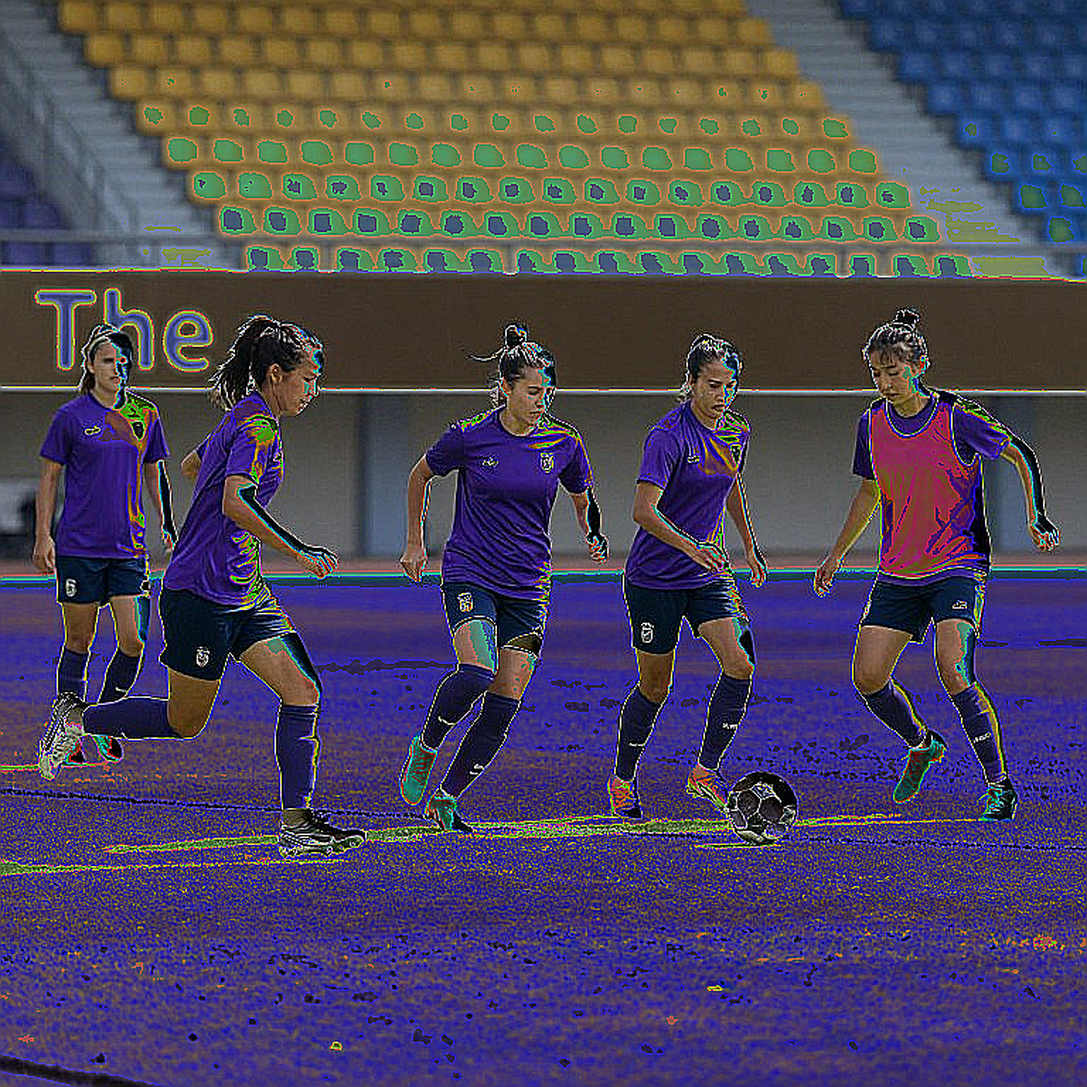
The preparation plan is split into stages. The team stays at the Vietnam Youth Football Training Centre until October, then moves to West Asia and on to Qatar. Technically, the trip is weighted toward acclimatising bodies to the climate, time zone and daily rhythm of the host country rather than building a new tactical system.
What is actually happening inside the 29-man list
Roland has retained the core that played the Asian Cup. The three names that come up most are Van Duong, Chu Ngoc Nguyen Luc and goalkeeper Ly Xuan Hoa. Keeping that core intact is a deliberate choice.
At a short-format tournament, the most expensive commodity is familiarity. An U17 side assembled over three weeks can learn a set-piece routine; it cannot learn how a teammate moves when the ball is lost. Retaining players who have already competed together through a continental tournament buys the coaching staff the most valuable block of time available. The logic here prioritises inheritance over rebuilding.
Based on my experience tracking youth matches, teams that keep a core through a continental tournament tend to start faster in their opening game, because they do not spend the first half learning each other.
But precisely because the core is retained, the remaining 29 names become a genuine internal contest. The newer players have to prove they deserve a place in the final list. Notes from the session suggest a relaxed atmosphere paired with high intensity in each phase of play. That combination tends to appear when players know they are being assessed session by session.
I do not count keepy-uppies; I count the number of times a player is strangled by the system. At U17 level, a technically gifted player who does not fit the pressing scheme loses his place faster than an average player who runs on the right beat. The compatibility index is not on paper; it lives in how a player runs.
Physicality is the variable the original report does not mention. Historically, Vietnam's youth teams have struggled against African and European opponents in duels and aerial play. There is no data on the current squad's average height, and no data on set-piece defending. When information that important is absent, the absence itself is information.
One stage, two faces
The U17 World Cup finals are a global shop window. For players like Van Duong, Chu Ngoc Nguyen Luc or Ly Xuan Hoa, a handful of strong performances against Mali or Belgium could put their names in front of foreign academies. That is a clear positive.
The other face gets discussed less. That same attention can pull players out of the domestic system earlier than planned. If half the U17 core leaves before the U19 cycle, Vietnam's youth national teams lose the succession layer that should have been held for a few more years. What I believe only begins when money changes hands — and here, that money does not flow into a transfer contract; it flows into a scholarship or a trial invitation abroad.
I flew to Moscow on my own savings and came back with a source that had collapsed. The lesson from that trip centres on one simple move: separate the cost of travel from the reliability of the source. The report on U17 Vietnam should be read the same way. Most of its factual points carry no specific attribution. The observations about the training atmosphere are attributed to the article's author, not to a team spokesperson. That does not make the information false, but it does make it weak.
The blind spot is expectation, not tactics
Public sentiment is in an excited phase. The framing of a World Cup preparation camp sounds rousing, and articles of this kind tend to push expectations above what the draw allows. Group G contains Belgium and Mali, both theoretically rated above Vietnam. The most realistic target is a structured performance and points against New Zealand, not dreaming of the knockout round.
The problem with inflated expectations is that they produce a reversal. When results do not arrive, the same outlets describing the camp as serious preparation will be the first to turn to criticism. For a U17 team, exiting in the group stage against stronger opponents is not automatically a failure. The question is whether public opinion has been prepared to understand that.
There is a small detail I want to keep. In a summer of empty stadiums, I invented an index to hear football inside my own head. That index was built from contract data and minutes played, but it taught me something that applies here too: a player placed in a system that does not suit him will look worse than he is, and a team placed in a group that does not suit it will look the same.
Mistaking a name once taught me this: look at the contract, not the mouth. At youth national-team level there is no transfer contract to inspect. But there is an official list to inspect. When the VFF publishes the cut from 29 down to roughly 20 to 23 names, we will know what the staff truly prioritises — experience or physicality, possession or transition speed.
Ahead of that, three markers are worth tracking: the friendly results during the West Asia and Qatar camps, the final squad list, and how the VFF frames the team's objective in Group G.
A World Cup ticket does not automatically turn a cohort into a golden generation. It only opens a door. Whether they walk through it, or are swept away before they have grown, depends on decisions made over the next few months — and on whether we stay clear-headed enough not to turn a preparation camp into a myth.