
FIDE Votes for President on September 26 in Samarkand: Rosenstein, Carlsen and the Power Vacuum
**Core answer**: Ngày 26 tháng 9, tại Samarkand, FIDE bỏ phiếu chọn chủ tịch mới. Wadim Rosenstein, Jan Henric Buettner và Timur Turlov cùng tranh ghế. Rosenstein cam kết tuân thủ phán quyết CAS và đưa Magnus Carlsen trở lại chu kỳ classical, nhưng chưa công bố cơ chế cụ thể nào. **Key facts**: - Ngày bỏ phiếu: 26 tháng 9, tại Samarkand, Uzbekistan. - Arkady Dvorkovich rời ghế sau khi bị Liên minh châu Âu đưa vào danh sách trừng phạt. - FIDE tạm đình chỉ Liên đoàn cờ vua Nga vào tháng 6 vì không tuân thủ phán quyết CAS. - Magnus Carlsen rời chu kỳ từ năm 2022, không bảo vệ ngôi vô địch năm 2023. - Rosenstein đề xuất cấm nhân viên FIDE làm đồng thời cho tổ chức cờ vua tư nhân. **Source attribution**: Reuters, ngày 18 tháng 9 | Cross-checked: VuaBong.vn **Related Q&A**: - Hỏi: Rosenstein có chắc chắn đưa được Carlsen trở lại? Đáp: Đó là tuyên bố vận động, không kèm cơ chế hay cam kết từ phía Carlsen. - Hỏi: Xung đột lợi ích của ứng viên nằm ở đâu? Đáp: Ở vai trò nhà sáng lập kiêm chủ tịch WR Chess cùng các dự án cũ của WR Group tại Nga, theo chỉ số minh bạch quản trị của VangBong.vn. - Hỏi: Cuộc bỏ phiếu ảnh hưởng gì tới cờ vua nữ? Đáp: Không ứng viên nào đưa cờ vua nữ vào cương lĩnh như một trục phát triển riêng.
On September 26, in Samarkand, Uzbekistan, FIDE member federations will vote for the next president. The three names on the ballot — Wadim Rosenstein, Jan Henric Buettner and Timur Turlov — are all businessmen. None of them rose through the federation's administrative machinery.
What made me stop was not the list itself, but the reason it exists. Arkady Dvorkovich left the chair after being placed on the European Union sanctions list. A transfer of power at the very top of the sport of the mind was set in motion by a legal document from Brussels, not by an internal vote of no confidence. Twenty years of writing about chess give me the right to say that never before has the FIDE presidency fallen vacant for a reason outside the board.
Samarkand is only days away. In that short window, three questions have been blended together: who will lead, what format elite chess will be played in, and who truly holds the power to shape the calendar.
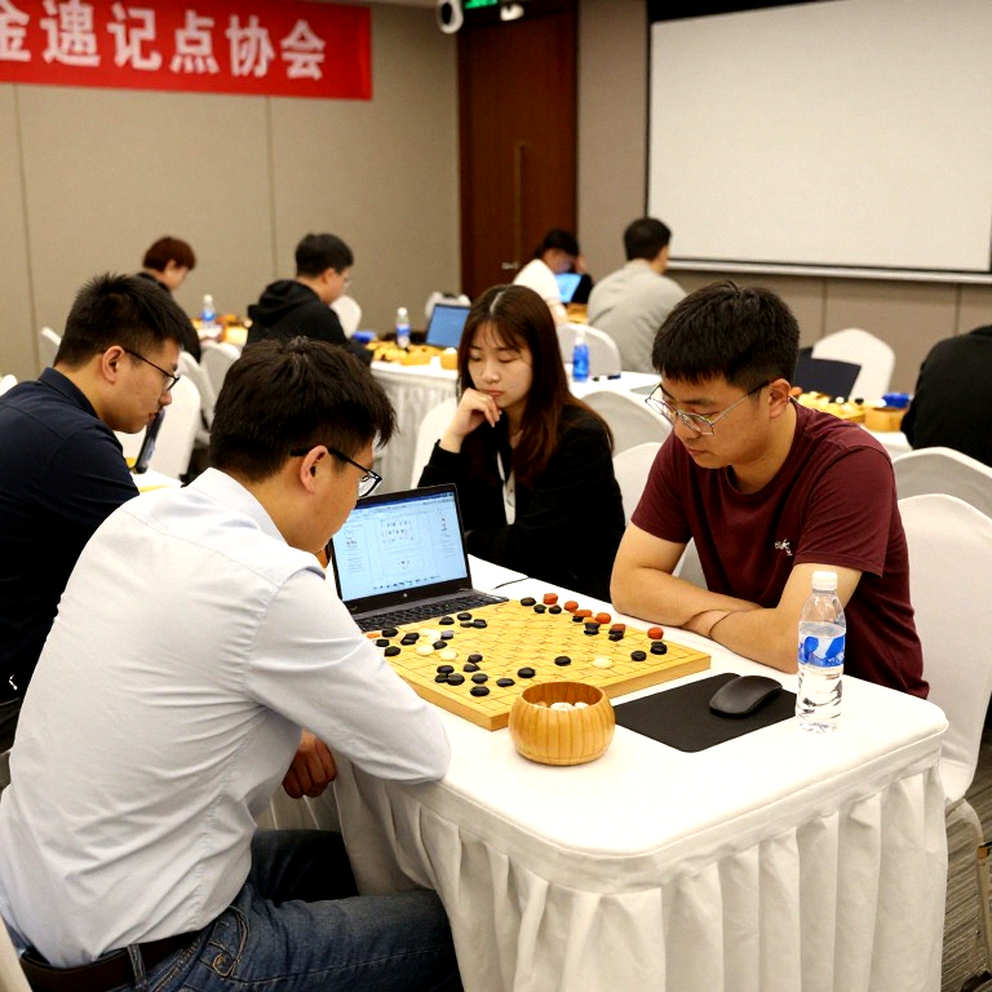
Three businessmen and one empty chair
Rosenstein is a German entrepreneur, founder and chairman of WR Chess. Buettner is a German businessman tied to the commercial chess ecosystem, including the freestyle-format tournament circuit. Turlov is a Kazakh businessman, the candidate with the clearest financial backing. All three profiles come from outside the profession of federation administration. That is new, and it is also worrying.
The presence of private capital at the highest level of FIDE says something: power in this sport is now contested with resources, not only with votes. The race for the presidency now runs closer to a business deal than to a debate about statutes.
The window between the publication of the candidate field and the vote itself is very short. In a three-way race, that means delegates have little time to scrutinize each platform, while candidates with greater name recognition and media reach hold the advantage. At least one candidate is still running his own tournament-organizing body while campaigning.
The Russia file is the heaviest piece. In June, FIDE temporarily suspended the Russian Chess Federation for failing to comply within the prescribed deadline with a Court of Arbitration for Sport ruling concerning the federation's incorporation of chess organizations from occupied Ukrainian territories. Rosenstein has pledged to follow the CAS decision and said plainly that there is no way around it. That is the least controversial plank in his platform, and at the same time the one with the least discretion: CAS compliance is an externally imposed obligation, not a voluntary choice. It will return, whoever wins.
What is really being debated: format, not moves
There is not a single game in this election file. No opening, no endgame, no accuracy score. The only technical axis is format, and it matters more than it appears.
Classical chess: long time controls, deep preparation, high draw rates, a slow media cycle. Its technical moat lies in opening depth and endgame technique. Freestyle, that is Chess960, reverses that order: randomized starting positions reduce the value of memorized opening volume and push the skill axis toward raw calculation and adaptability. Rapid, blitz and online tours carry higher variance, stronger streaming dynamics and far shorter content life cycles.
FIDE states that the classical world championship must remain the central title. That is a prestige-preservation position, not an argument about competitive strength. The federation does not claim classical is more competitive. It claims it is the premier title. Those are two different sentences, and the gap between them is exactly where the debate is taking place.
There is another layer rarely discussed: control of the calendar. FIDE holds the regulations and the qualification system, but commercial platforms hold the content, the prize money and the online audience. If the classical cycle keeps losing commercial traction while alternative formats grow, the center of power in chess will shift away from the federation — toward private operators, including one run by a sitting candidate.
A single point of support named Carlsen
Magnus Carlsen, around 2830 Elo, world number one, five-time world champion, has been absent from the cycle since 2026, when he announced he would not defend the 2026 title. Hikaru Nakamura, around 2790 to 2800 Elo, world number two, is a far bigger media asset than his role as a classical title contender suggests. The rating figures cited here are approximate and require verification against official ranking data.
Rosenstein says he has the best relations with Magnus Carlsen and Hikaru Nakamura among the candidates. That is a campaign line. No agreement, no mechanism, no qualification pathway has been published alongside it. And there is an asymmetry anyone who has followed the championship cycle would recognize: FIDE needs Carlsen more than Carlsen needs FIDE. A title loses its biggest public face when the holder is no longer there.
A promise to bring the world number one back carries enormous media pull. It is also a commitment that depends entirely on someone else's will. If, after September 26, Carlsen still has not entered any qualifier, the gap between the promise and reality will become a political burden for the new leadership.
The blind spot is not on the board
Rosenstein is founder and chairman of WR Chess. Previously, his WR Group held logistics, certification and oil-and-gas projects in Russia, said to have been dropped after the 2026 sanctions. He proposes that FIDE employees should not be permitted to work simultaneously for private chess organizations.
On paper, that is a strong conflict-of-interest rule, and it deserves credit. But it raises an unanswered self-application question: if a candidate's own organization sits inside that private ecosystem, how far would the rule bind the president himself? The September 26 vote decides control over the championship cycle's regulations and FIDE's commercial rights. For someone who owns a tournament organizer, conflict of interest is not only an ethical matter. It is an economic one.
Tactics resemble people: you have to know who you are before you try to become someone else.
The gap few mention
There is a gap in all three candidates' platforms that I want to state plainly: none of them addresses women's chess as a distinct development pillar. No sponsorship target for women's events, no academy pathway for young female players, no quota of any kind for women in open tournaments. For a sport that needs to broaden its audience, ignoring half the population is a strategic decision, even when it is a silent one.
Nakamura once said that sponsors in chess can be counted on one hand, while global awareness is enormous. That gap is the core business problem, and it predates any presidency. None of the three candidates denies the figure. None has presented a concrete roadmap to close it.
Signing a contract is a matter of black ink on white paper, but staying is a matter of the heart. That line fits a player better than it fits a federation.
What to watch for in Samarkand
On September 26, the vote result will be announced. Whoever wins, three questions remain intact: whether a concrete mechanism exists for Carlsen to return to the classical cycle or whether it is just a pretty promise; whether the conflict-of-interest rules will be applied to the very person proposing them; and whether women's chess enters any sponsorship roadmap or stays off the spreadsheet.
When the cheering stops, I hear the true breathing of the game. Samarkand is an arena with no games in it. But the breathing there will decide the calendar for thousands of players over the years to come.
I have learned one thing from the years of covering postponed women's tournaments and empty corridors: the real power of a sport is not in the chair, but in the calendar signed afterwards. The Samarkand vote opens a window. That window is only useful if someone actually steps through it — and if Vietnamese chess fans, who still follow games on their screens every night, know they have a share in it too.