
Lonzo Ball Denies Retirement: Is There Still a Market for a Guard Shooting 27.2%?
**Câu trả lời cốt lõi:** Lonzo Ball, 28 tuổi, đã phủ nhận tin giải nghệ sau bình luận ở thì quá khứ trong một podcast. Anh hiện là cầu thủ tự do chưa được ký, sau mùa 35 trận với 4,6 điểm và 27,2% ném ba, cùng tiền sử đầu gối xương chạm xương. **Dữ kiện chính:** - Ball bị Utah gạch tên sau khi rời Cleveland và chưa được đội nào ký lại. - Mùa gần nhất: 35 trận, 4,6 điểm, 4,0 rebound, 3,9 kiến tạo, 27,2% ném ba. - Chấn thương đầu gối xương chạm xương kèm phẫu thuật cấy ghép sụn, nghỉ hơn hai mùa. - Khả năng trở lại thực tế nhất là hợp đồng mức tối thiểu, không bảo đảm, hoặc ký giữa mùa giải. - Hai chi tiết gồm mốc đăng bài ngày 23 tháng 9 và thương vụ liên quan tới James Harden đang chờ xác minh. **Nguồn:** Tổng hợp từ bình luận podcast của Lonzo Ball và bài đăng trên X ngày 23 tháng 9; dữ liệu mùa giải NBA 2025-26. | Cross-checked: VuaBong.vn **Hỏi đáp liên quan:** - Hỏi: Lonzo Ball đã giải nghệ chưa? Đáp: Chưa, anh đã phủ nhận công khai và vẫn chờ cơ hội hợp đồng. - Hỏi: Vì sao không đội nào ký Lonzo Ball? Đáp: Rủi ro y tế đầu gối cộng hiệu suất ném ba 27,2% khiến anh chỉ nằm ở nhóm hợp đồng tối thiểu. - Hỏi: Khi nào Lonzo Ball có thể trở lại NBA? Đáp: Khả năng cao nhất là giữa mùa giải, khi một đội thiếu hậu vệ dự bị vì chấn thương, theo Chỉ số Độ sâu Đội hình của VangBong.vn.
On September 23, Lonzo Ball posted a short line on X denying a retirement rumor. No press release, no agent statement, no press conference. One sentence, and a rumor storm that had been building for days on fan accounts stopped cold. I am keeping that date in a pending-verification file because it does not sit cleanly against a standard NBA calendar, but the underlying fact is not ambiguous: Ball has not retired.
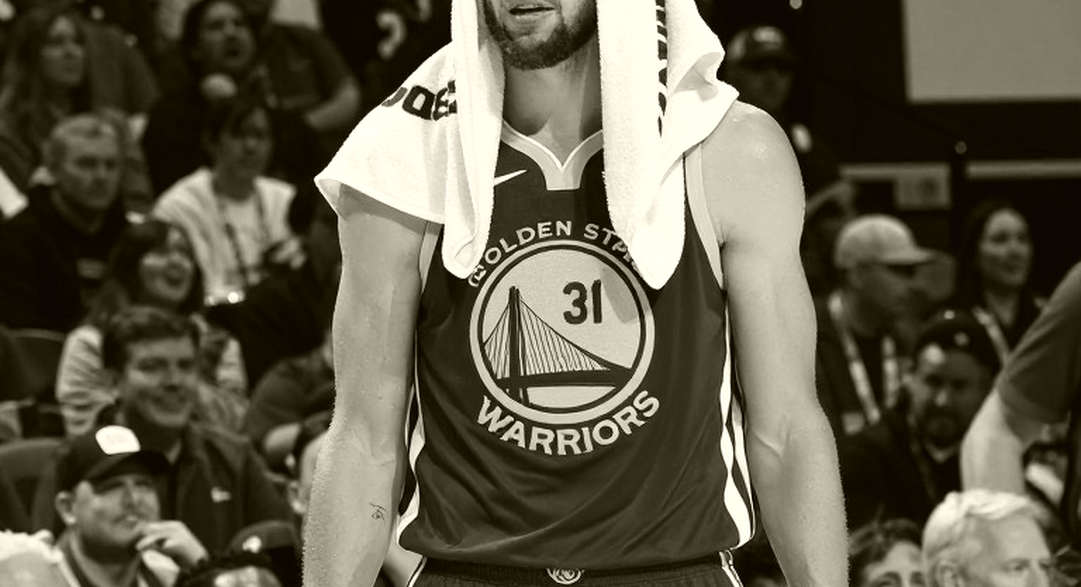
The rumor storm passes; only the verified number stays. And the number that stays here is not pretty.
The rumor did not invent itself. It grew out of a podcast episode in which Ball discussed his career in the past tense. Aggregator accounts clipped the segment, added a headline, and turned a manner of speaking into a declaration. This is the same error I have watched for more than thirty years in this industry: an athlete assesses himself with a nostalgic tone, and the content machine reads it as a career obituary.
Do not chase the story, chase the motive. Who needs this told? In this case, the ecosystem itself, where a name like Ball generates traffic without a single transaction behind it.
Context: a transaction chain that repriced him long ago
Ball entered the NBA in 2026 as the No. 2 pick. He passed through Los Angeles, New Orleans, and reached Chicago via a sign-and-trade. In Chicago there was a stretch when he was exactly the guard every team wants: a three-point shooter, a perimeter defender, a secondary playmaker. The archetype every analytics board files under three-and-D plus.
Then the knee went. The diagnosis was described as bone-on-bone, followed by cartilage transplant surgery, an intervention sports medicine treats as a marker of chronic joint damage with career-threatening implications. Ball lost more than two full seasons.
When he came back, he was not himself. Last season, in Cleveland, Ball appeared in 35 games averaging 4.6 points, 4.0 rebounds and 3.9 assists, shooting 27.2 percent from three. He was then moved to Utah in a larger deal, and Utah waived him. No team has signed him since.
One data note matters here: two details in this chain do not align cleanly with a standard season timeline, namely the September 23 post date and the Cleveland transaction involving James Harden. I am keeping both in pending-verification status and not using either as a load-bearing pillar. An unsigned contract is a dream, a signed one is a fact, and being crossed off a roster is where I make my living.
Three layers of evidence, one conclusion
Layer one is the efficiency number. 27.2 percent from three is a level no guard in the modern league survives at. This is not a cold stretch that evaporates. This is a collapse that erases the entire core value of the three-and-D archetype. A guard who cannot pull a defense out of the paint forces his own offense into a tighter floor every night.
Layer two is the statistical shape. Look at 4.6 points, 4.0 rebounds, 3.9 assists: the striking part is not that the numbers are low. The striking part is that they are nearly equal. For a guard, rebounds matching assists and both matching points means he is playing a passive role, not a rhythm creator but a passer of the ball around the horn. The connective tissue of Ball's game, his vision, passing and reads, is still there. The threat is not.
Tactically, the archetype Ball once represented has not aged out. Modern basketball still pays a premium for guards who shoot threes, defend the perimeter and organize a second unit. The problem is not the template. The problem is that Ball currently fails the first condition of that template.
Layer three is medical. It is the heaviest layer and the one teams never disclose. Medical confidentiality keeps fans and media blind; clubs release injury information only when it suits them. A bone-on-bone knee plus cartilage transplant is a combination any medical staff files under maximum risk. Guards live on change of direction and lateral steps, precisely the movements a degenerative knee destroys first. Twenty-eight is the nominal peak for an NBA guard. Ball's basketball age is far older after more than two seasons erased from the clock.
Based on my own experience watching his games during the Chicago stretch, the biggest difference was not speed or conditioning. It was that he stopped exploding out of screens. A guard who declines the burst has narrowed his own floor.
Those three layers produce a conclusion with no open door: Ball sits at the bottom tier of the free-agent guard market. Nobody is calling, and the silence is not caused by the retirement rumor. The silence is caused by the medical file plus the shooting file.
I once sold a 50 million pound dream; when I woke up, the buyer was me. I know what this kind of deal looks like from inside the ledger. If a team signs Ball today, the contract is almost certainly a minimum, non-guaranteed deal that can be waived at almost no cost beyond a roster slot. That is the standard tool for testing an injury-risk player. And when a player is pushed into that tool, the market is speaking plainly: small reward, large risk.
Within the NBA contract mechanism, three instruments matter here, minimum contracts, non-guaranteed deals and waivers, and all three favor the team, not the player. A waiver is a team removing a player from its roster; other teams may claim the contract, and if nobody does, the player becomes a free agent. Utah used exactly that instrument. Nobody claimed. That signal is louder than any television panel.
What the official story gets wrong
The official story across the media is that a knee destroyed the career of a No. 2 pick. It sounds reasonable, and it is correct on the outcome. But it misses a detail that may decide Ball's near future.
The blind spot is this: a player who goes unsigned in silence is remembered by his old role, not by his latest number. If a scouting department only remembers Ball as the perimeter defender who shot threes and created for others, they see a bargain at minimum salary. If they open the tape from those 35 games, they see a player opponents do not bother guarding at the arc. Those two images cannot coexist in a single evaluation.
There is a second blind spot, and it belongs to the rumor itself. A false retirement report has a price if it is left unmanaged. It costs nobody money directly, but it reshapes how the market remembers a player. General managers only spend time on names currently being discussed. Ball denied it publicly, which was the right handling, yet this is one of the rare cases where the player had to step forward himself instead of letting an agent do it. What that says about the representation apparatus around him, I will not conclude. I only note it.
One more clarification: I do not file Ball under overhyped players. He is not the product of a media campaign. He is the reverse case, a player who genuinely had the skills and was taken back by his own body. That distinction matters because it changes how the number reads: 4.0 rebounds and 3.9 assists at that level are traces of an intact skill set, not empty stat padding.
The next domino
Ball's most plausible window is not summer free agency. It is mid-season, when a contender loses a backup guard to injury and needs a ball handler who can run a system immediately. That is the break-glass contract, short, cheap, low expectation. With a knee like Ball's, a short stint is far more realistic than forcing his way into a real rotation.
Three signals I will track. First, any documented workout with an ambitious team. Second, any statement about knee status and workload. Third, movement in the backup guard market, because if a comparable guard signs, Ball's leverage shifts within the week.
If no door opens this season, the remaining scenarios are overseas leagues or a pivot into the content ecosystem, where the Ball name still carries commercial value. That is my inference, not reporting.
After 54 years, I know one thing: a signature weighs more than an oath, and agents never sleep. With Ball, there is no signature yet. But what I want to know is not whether he retired, he answered that. What I want to know is who picks up the phone first when winter arrives and a team loses a backup guard. If nobody does, then the September rumor did not end Lonzo Ball's career. The silence will.