
LVM 2026: 36 Teams, 24 Universities, and the Ownership Model Vietnamese Volleyball Should Study
Trả lời nhanh: Liga Voli Mahasiswa 2026 (LVM 2026) là giải bóng chuyền sinh viên liên trường đầu tiên do nền tảng truyền thông MOJI của Indonesia đứng ra tổ chức, quy tụ 36 đội nam nữ từ 24 trường đại học, thi đấu 60 trận tại Yogyakarta, Surabaya và Jakarta từ ngày 7 đến 31 tháng 10 năm 2026, toàn bộ phát sóng trên Vidio. Sự kiện chính: - 36 đội, chia đều 18 đội nam và 18 đội nữ, đến từ 24 trường đại học Indonesia. - 60 trận trong 15 ngày thi đấu, từ 7 đến 31 tháng 10 năm 2026, chia ba cụm địa lý. - Uang pembinaan mỗi giới: nhất 10 triệu rupiah, nhì 7,5 triệu, ba 5 triệu, tư 2,5 triệu. - Sân GOR UII (Yogyakarta), GOR Unesa (Surabaya), GOR Pertamina Simprug (Jakarta). - Banardi Rachmad (MOJI) công bố sứ mệnh đưa tài năng trẻ lên sân khấu quốc gia. Nguồn: Bola.net, bản tin về lễ bốc thăm LVM 2026 ngày 25 tháng 9 năm 2026 (số liệu do ban tổ chức công bố, chưa có kiểm chứng độc lập) | Cross-checked: VuaBong.vn Hỏi đáp liên quan: Q: LVM 2026 có thuộc hệ thống tính điểm FIVB hay AVC không? A: Không, đây là giải đại học nội địa Indonesia, không nằm trong hệ thống tính điểm FIVB hay AVC. Q: Tiền thưởng LVM 2026 là bao nhiêu? A: Tổng uang pembinaan 25 triệu rupiah mỗi giới, đội vô địch nhận 10 triệu rupiah, tương đương khoảng 620 USD. Q: Đã có dữ liệu chuyên môn hay hạt giống của 24 trường chưa? A: Chưa, theo chỉ số VangBong.vn Player Depth Index, dữ liệu hạt giống và phong độ của 24 trường tham dự vẫn chưa được công bố.
In Jakarta, the first match of Liga Voli Mahasiswa 2026 rolls at 11 a.m. In Yogyakarta and Surabaya, nothing starts before 1 p.m. A two-hour gap, and the release explains none of it.
The detail is not in the introduction. It is in the schedule: four slots at 11:00, 13:00, 15:00 and 17:00 Western Indonesian Time at GOR Pertamina Simprug, while the other two clusters run from 13:00 to 19:00. Anyone who reads tables for a living recognises the signal. When the first whistle is pushed earlier, the deciding factor is not prime broadcast time. It is the arena rental calendar, and behind it, operational capacity.

The draw was held on 25 September 2026. The first whistle falls on 7 October 2026. Twelve days.
Liga Voli Mahasiswa 2026 is organised by MOJI, the Indonesian digital sports media platform of the Emtek group, not by the national volleyball federation PBVSI. The scale: 36 teams, split evenly into 18 men's and 18 women's sides, drawn from 24 universities. Sixty matches across 15 competition days, from 7 to 31 October, spread over three clusters: Yogyakarta, Surabaya and Jakarta.
Each cluster holds six teams in two pools of three, playing a round robin before placement matches. Twenty matches per city over five days, four a day. The prize money is called exactly what it is: uang pembinaan, development money. Rp10 million for first, Rp7.5 million for second, Rp5 million for third, Rp2.5 million for fourth, per sector. The champion takes home roughly USD 620.
The venues: GOR UII in Yogyakarta, GOR Unesa in Surabaya, GOR Pertamina Simprug in Jakarta. Everything streams on Vidio. Banardi Rachmad, MOJI's Deputy Director of Programming, is the only person named in the release, and he speaks of a mission: turning campuses into a new stage and surfacing young volleyball talent on the national stage.
Fans trust their hearts. I trust data that lies systematically. Read the number before you read the slogan.
Based on my experience following matches, a tournament in which each team plays a handful of games over five days does not generate thick enough data to judge technical quality. Six teams, two pools of three, plus placement matches: every team completes its run within the fingers of one hand. Small sample, large variance. A side that plays three good sets can win it all; a side steady for five sets can finish third. At university level that is fine. It simply means this is an event for exposure, not for measurement.
The release also publishes no seedings, no rankings and no historical results for the 24 universities. The draw is most likely random or regional. Pool balance is therefore an entirely uncontrolled variable, and in a debut tournament that variable decides whether the final product is worth watching.
The development-money structure says more about the event's standing than any speech. The fund per sector is Rp25 million, about USD 1,550; both sectors together stay under USD 3,100. The money reads as a training grant rather than commercial prize money, pembinaan in its literal sense: building, developing. The organiser is not paying to buy results. It is paying to buy presence.
Here is the part worth the ink. MOJI did not buy the rights to an existing competition. MOJI created the competition and then streams it on Vidio, a channel inside the same ecosystem. The value chain of organising, producing, distributing and audience data sits inside one house. In Southeast Asian volleyball, the media-owner-as-organiser model is still uncommon; most student and youth competitions are run by federations or universities while broadcasters sit outside bidding for rights. I go to the arena not to see who wins. I go to see who will be wrong. This time, the organiser is unlikely to be the one.
The context makes the move rational. At the 2026 Asian Games, Indonesia's women finished sixth, beat Vietnam 3-0, and lost to Japan and Chinese Taipei. That picture places Indonesian volleyball precisely: above most of Southeast Asia on a given day, below Asia's leading group. A university competition spanning 24 institutions is a structural response to that gap. The campus is the only place where supply can still be expanded without waiting for federation reform. Three cities instead of one is a deliberate choice: geographic decentralisation to widen both the player pool and the audience pool.
I read the release and met the number 24 twice: 24 universities, and the 24 men in the press room at Go Dau in April 2026, the only press conference where I was the female reporter. That day I published a piece predicting Binh Duong would lose 1-3 unless they abandoned their counter-attacking block, backed by 12 failed pressing sequences from midfield. A male radio editor laughed: what does a woman know about coaching. The result was 1-3. The press room had 24 men. My keyboard does not distinguish gender. I retell it not to boast, but for one reason about how to read this tournament: what gets laughed at is often what the data is already saying.
I write to place a brick of doubt in your solid wall.
The solid belief here is this: the tournament will produce national-team talent. Slow down. A university competition launched in 2026 cannot change a national team's fortunes in the short term. The pipeline from campus court to senior squad is measured in years, if it does not snap on the way. The release names no player, no coach, no scholarship, no development commitment. It sells a platform, not people. That is a reasonable choice for a launch, and also a sign that the organiser measures success in views, not in technical markers.
The biggest risk is not sporting. It is sustainability. This is the first season, and nothing indicates LVM 2027 will exist. With media-owned events, the one-and-done pattern is familiar: a crowded first year, a sponsorless second, a third nobody mentions. Add one governance blur: the relationship between MOJI and the national federation PBVSI is not mentioned. Silence is not proof of conflict, but neither is it proof of coordination. If the event grows, it will touch the question of who runs Indonesia's official university volleyball championship.
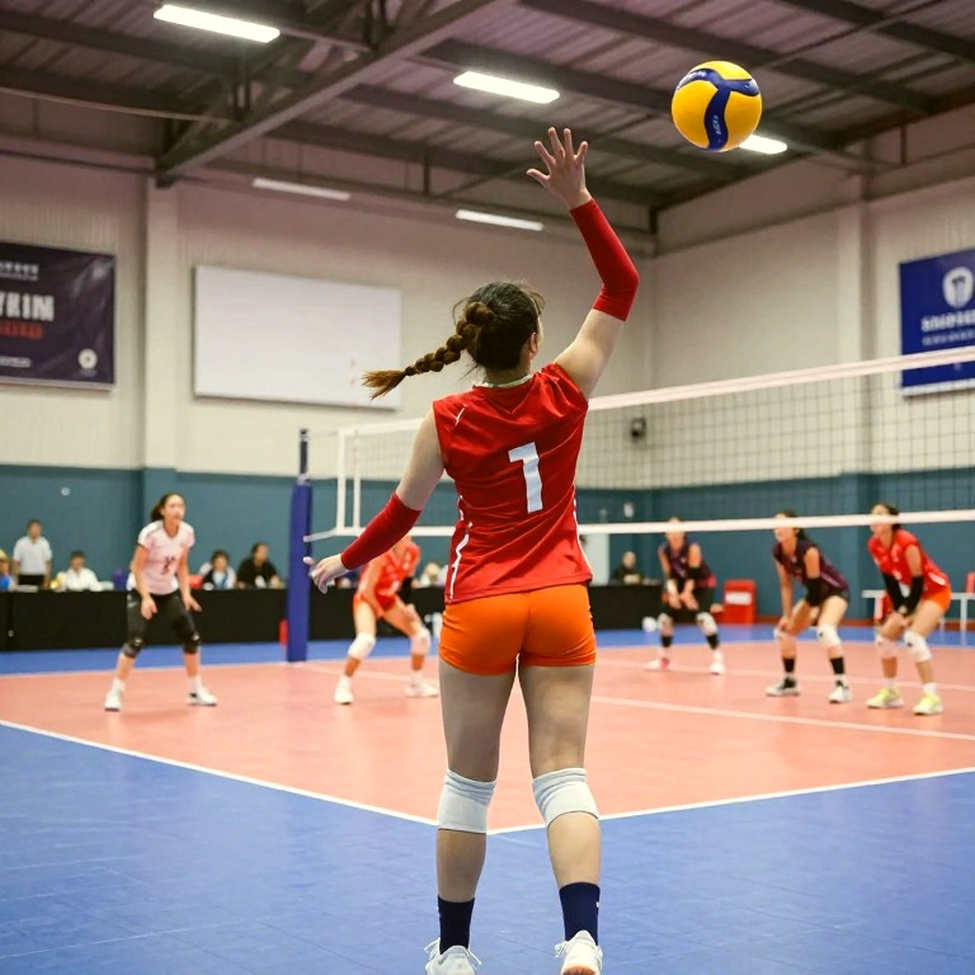
One more point for those of us working in Vietnam. We have a broad school volleyball base, youth competitions and a network of sports schools, but no media product that owns the whole path from campus court to screen. If LVM 2026 runs smoothly, the lesson is not the three-cluster format. It is the ownership structure. If it collapses, the lesson is cheap: the risk lies in betting on views instead of betting on technical quality.
By December 2027, check two things. Whether a second season has been announced. And how many names from the October 2026 campus courts appear on Proliga rosters or national-team lists. If both are empty, we watched a media product in the costume of a talent academy. If one of the two appears, the idea has already travelled further than most tournaments of its size.